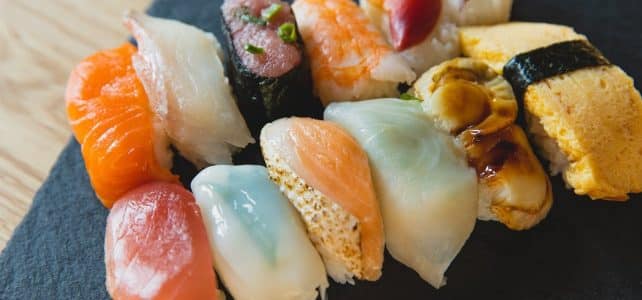
Did you know that preparing sushi and sashimi requires a particular skill set and special attention to the quality of the fish used? Indeed, the success of these delicate dishes greatly depends on the freshness and origin of the chosen fish. It is crucial to know the tips for selecting the best products and avoiding common mistakes. You will be able to indulge in homemade sushi and sashimi, expertly prepared, that will delight your taste buds and those of your guests. In the following sections, discover the secrets to mastering the art of choosing the ideal fish for your Japanese culinary creations.
Choosing Fresh Fish: Criteria to Know
When you go to your fishmonger, you need to know what you are looking for. Make sure that the chosen product is very fresh. The eyes should be clear, bright, and slightly bulging. The skin should feel firm to the touch, and the gills should have a bright red color.
When it comes to specific fish for preparing sushi or sashimi, some choices are better than others. For example, if you are looking for salmon for your homemade sushi, it is recommended to use Atlantic salmon rather than the fattier Chinook or Coho salmon, which can alter the subtle taste of refined sushi.
Which salmon for sushi? This is a crucial question when embarking on the journey of traditional Japanese culinary arts! There are several types of salmon worldwide, but not all are suitable for preparing these raw or nearly raw Japanese dishes. Therefore, opt for a thick fillet with a firm texture and without damaged scales or suspicious spots on the flesh.
In general, do not hesitate to ask your fishmonger for advice before purchasing so they can provide you with suggestions based on available products and/or your culinary desires.
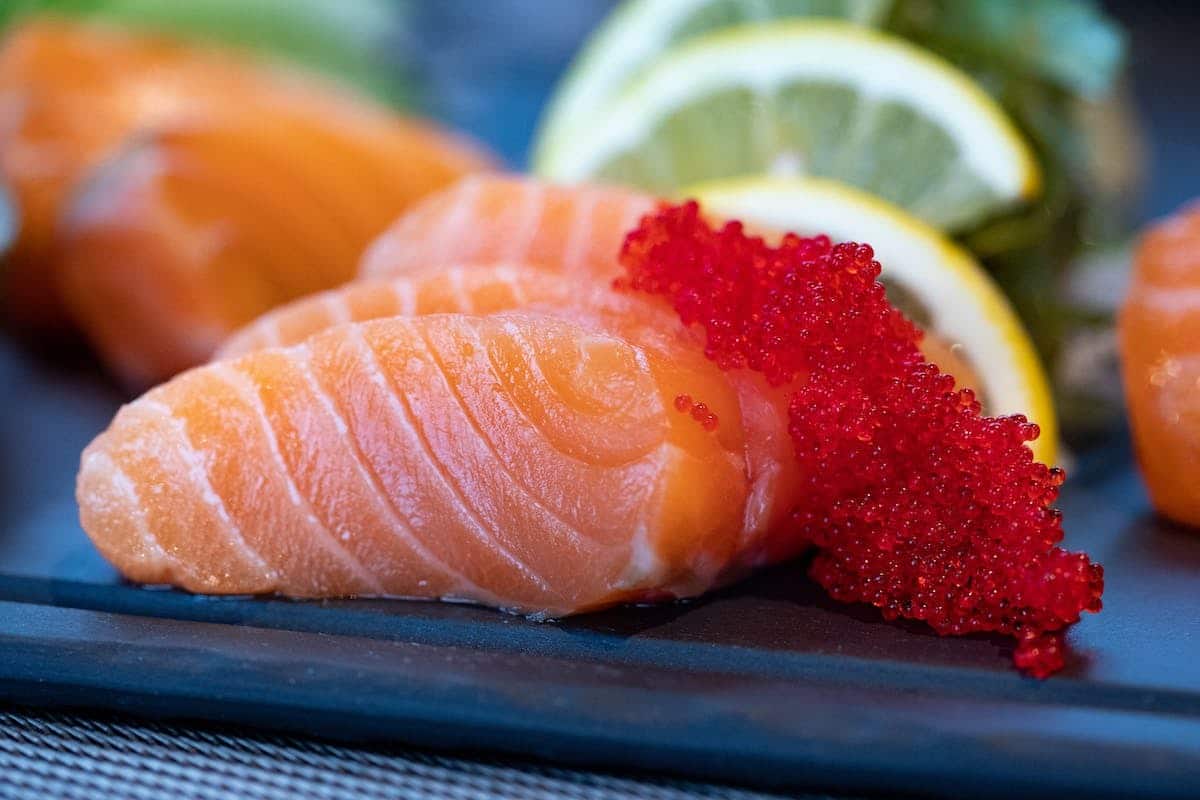
Sashimi and Sushi: Which Fish to Choose
Aside from salmon, there are other species of fish that are perfectly suited for preparing sushi and sashimi. For example, bluefin tuna is a popular choice among fans of these Japanese dishes. It has firm flesh with a smooth and soft texture, as well as a rich umami flavor that pairs well with sweet soy sauce. Due to overfishing, be sure to respect the environment.
Sea bass (also known as wolf fish) is also an excellent choice for sushi and sashimi because its delicate white flesh has a subtle flavor that does not overpower other ingredients such as vinegared rice or pickled vegetables. Red snapper is also appreciated in certain regions of Japan for its sweet yet distinct flavor.
Mackerel can be used in the preparation of cooked sushi (‘aburi’) due to its naturally high fat content, which makes its flesh tender without needing to be soaked in a special sauce before cooking.
Rainbow trout is also sometimes used as an alternative to Atlantic salmon when it is unavailable or too expensive. Its light pink flesh has a similar taste to salmon but is less oily, making it firmer than its counterpart. It is essential to note that each type of fish has its own particularity, and it is important to handle them with care to achieve optimal texture. It is also advisable to avoid certain fish, such as shark, which often contains high levels of mercury, or cod due to the possibility of containing parasitic worms.
Choosing the right fish is essential for the success of sushi and sashimi. By opting for a fresh product and wisely selecting the species according to your personal tastes and its culinary specifics, you are sure to prepare a delicious and authentic meal that will please all lovers of traditional Japanese cuisine.
Sushi and Sashimi: Mistakes to Absolutely Avoid
There are certainly mistakes to avoid to succeed in your sushi and sashimi. Avoid cutting the fish into thick or too thin slices. The slices should be evenly cut with a thickness of about one centimeter for sashimi and slightly thinner for sushi.
Another common mistake is using a dull or inappropriate knife for cutting fish. To achieve perfectly clean slices, you must use a well-sharpened knife that allows for precise cutting without damaging the fish.
Make sure that your rice is not too sticky or dry. The rice should be carefully prepared with just the right amount of water so that it is tender but not wet or sticky. You can add a bit of rice vinegar during cooking to give the rice a delicious and tangy flavor that will pair perfectly with the fresh fish.