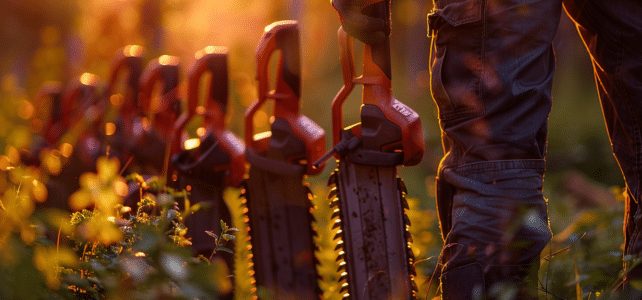
Maintaining a garden is a task that requires not only passion and time but also the use of appropriate tools to facilitate the work and achieve impeccable results. One of the essential tools for keeping your green space clean and aesthetically pleasing is the hedge trimmer. Given the variety of models available on the market, selecting the hedge trimmer that will perfectly meet your expectations can be complex. You need to consider several criteria such as the size of your garden, the nature of your hedges, as well as the frequency of use and your comfort while working.
Assessing Needs: Type of Hedge and Trimming Frequency
Before you embark on acquiring a hedge trimmer, a diagnosis of your needs is essential. The hedge, this green wall that preserves the privacy of the garden, requires periodic maintenance to retain its splendor. Consider the density and height of your hedges to determine the power and blade length required for your future tool. The trimming frequency, on the other hand, influences the choice between a model intended for occasional or regular use.
For young or fast-growing hedges, the trimming rhythm will be more sustained, thus directing you towards robust and ergonomic models to reduce fatigue during repeated sessions. If your hedges are mature and require less frequent trimming, a simpler model may suffice.
Finding the best hedge trimmer also involves evaluating the nature of your plants. Thin branches or tender foliage do not require the same cutting power as a hedge made of harder wood. The choice of motorization and cutting capacity must be adapted to the stiffness and diameter of the branches to be trimmed.
Don’t forget that the choice of a hedge trimmer should also take into account your comfort of use. Features such as a rotating handle or a debris collector can greatly simplify the maintenance of your hedge. Consider these aspects to ensure not only the efficiency of your tool but also a pleasant and less burdensome trimming experience.
Comparison of Hedge Trimmer Types: Advantages and Disadvantages
In the vast market of hedge trimmers, the choice essentially revolves around three main categories: cordless electric models, corded electric, and gas-powered. Each type offers distinct characteristics that meet specific garden maintenance needs.
The cordless electric hedge trimmer stands out for its mobility and ease of use, powered by a battery, often lithium-ion, which frees the user from the constraint of an electrical outlet. Its limited power and battery life make it suitable for light and short-duration tasks. It is perfect for small to medium-sized hedges.
In contrast, the corded electric hedge trimmer requires a continuous power source, which can restrict movement but offers the advantage of constant power, suitable for more demanding hedges. Its more affordable cost makes it a popular option for those with easy access to an electrical outlet and who do not require great freedom of movement.
The gas-powered hedge trimmer, with its gasoline engine, is known for its robustness and ability to tackle the toughest branches. This tool is ideal for intensive work and dense hedges. However, its weight, the noise level it generates, and its more demanding maintenance can be drawbacks for some users. It represents a more significant investment in terms of purchase and maintenance.
In your quest for the ideal hedge trimmer, brands also play a significant role. Manufacturers such as Ryobi, Husqvarna, and Stihl offer a varied range that meets standards of quality and performance. The reputation of the brand can influence the durability and effectiveness of your tool, as well as the availability of spare parts and after-sales service. Take the time to compare models and read reviews from other gardeners to make an informed choice.

Practical Tips: Safety, Maintenance, and Regulations
When using a hedge trimmer, safety should be at the forefront of your concerns. Always equip yourself with appropriate protective gear such as safety glasses, durable gloves, and a noise-canceling helmet, especially with the noisier gas models. Ensure that the safety devices on your hedge trimmer, such as the double switch or rotating handle, are in perfect working order to prevent any accidental start-up. A blade protection sheath is essential when storing the device, while a debris collector can be useful for keeping your workspace clean.
The maintenance of the hedge also involves that of your tool. Clean and lubricate the blades regularly to ensure a clean cut and preserve the mechanics of the device. For gas models, periodic engine checks are imperative; replace the spark plugs and filters according to the manufacturer’s recommendations. Hedge trimmers equipped with Intellicell technology offer optimized battery management, but this does not exempt you from checking its condition and recharging it as needed.
As for the regulations regarding hedges, they impose specific rules for planting and maintenance. Be sure to respect the legal planting distance from property boundaries and consult your municipality to know any local constraints regarding height and trimming frequency. This regulatory aspect, often overlooked, is crucial for maintaining your hedge properly without neighborhood conflicts.