
In the field of digital audio, coaxial and optical connections are two frequently used alternatives. The choice between these two options can have a significant impact on the quality of the reproduced sound. Yet, many users remain uncertain about the distinction between these two technologies and the factors to consider for making an informed choice. That’s why it’s important to familiarize yourself with their specifics, advantages, and disadvantages. This will ensure an optimal listening experience, whether for music, home cinema, or any other audio application.
Audio Connections: The Essentials to Know
The characteristics of the coaxial cable are essential to understand in order to make an informed choice regarding audio connections. The coaxial cable is typically used to transmit high-quality audio and video signals. It consists of a central conductor surrounded by an external shield, which provides good protection against electromagnetic interference.
The coaxial output allows for precise transmission of the digital signal without loss of quality. It offers a wide bandwidth, meaning it can handle higher frequencies than most other types of audio connections. This results in clear and detailed sound, ideal for discerning audiophiles.
The coaxial cable is relatively inexpensive and widely available on the market. It can be easily connected to various devices such as Blu-ray players, gaming consoles, or home theater amplifiers.
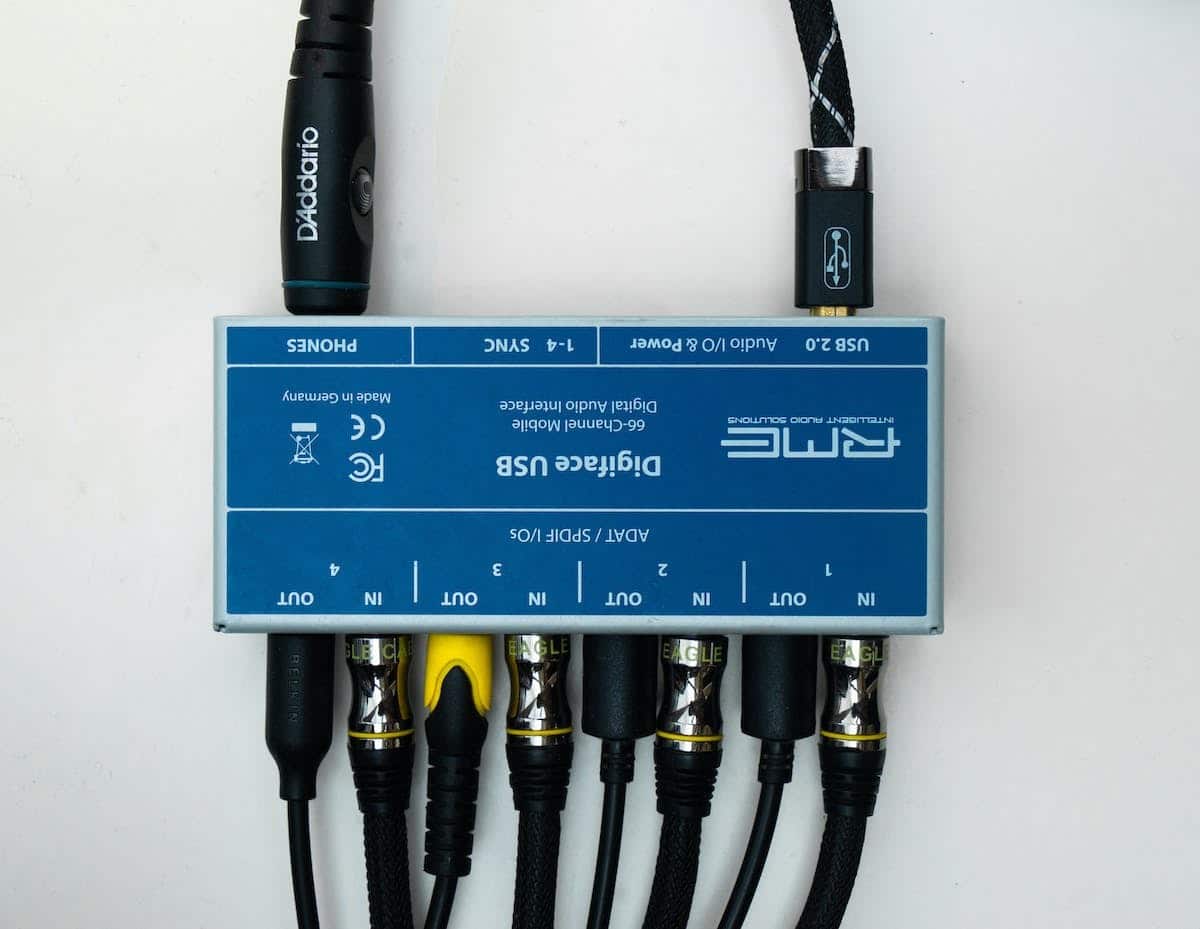
Coaxial Cable: Key Characteristics to Consider
Now let’s move on to the optical connection, an interesting alternative to the coaxial cable. Unlike the latter, the optical connection uses optical fibers to transmit audio signals. This technology has several notable advantages.
The signal quality transmitted by the optical cable is exceptional. Thanks to data transmission using light pulses, there is no loss or degradation of the signal during its journey, even over long distances. You can enjoy pure and crystal-clear sound without any electromagnetic interference.
The use of optical fibers offers total immunity to disturbances. Indeed, the fibers are insensitive to electric and magnetic fields that can alter the signal in a coaxial cable. This makes the optical connection an ideal choice when you want to avoid any distortion or unwanted noise in your audio system.
Another major advantage of the optical connection is its ability to transmit high-resolution audio formats. Whether it’s to listen to your favorite tracks in studio quality or watch a movie with immersive surround sound, the optical cable can support codecs such as Dolby TrueHD and DTS-HD Master Audio.
Thanks to its lightweight and flexible design, the optical cable is easily installable in any audio configuration. You can quickly and simply connect it between different devices such as televisions, Blu-ray players, or even gaming consoles.
Both the coaxial cable and the optical connection have distinct advantages in terms of audio transmission. The choice between the two will depend on your specific needs and the type of equipment you have.
Optical Connection: A Choice to Consider
Now let’s explore the distinctive sound characteristics of these two types of connections. The coaxial cable offers a well-balanced audio reproduction, with deeply anchored bass and rich mids. This connection is known for its ability to transmit a powerful and dynamic signal, making it a popular choice for music lovers and discerning audiophiles.
On the other hand, the optical connection offers exceptional clarity in high frequencies. The highs are detailed and crystal-clear, providing a refined listening experience.
Coaxial vs Optical: What Impact on Sound Quality
Now let’s review the advantages and disadvantages of each option to help you make an informed choice.
The coaxial cable has several notable strengths. Its connectivity is widespread, meaning it is compatible with most available audio devices on the market. It offers signal transmission without significant loss of sound quality, ensuring a faithful reproduction of your favorite music. Thanks to its robust construction and effective shielding against electromagnetic interference, the coaxial cable provides excellent protection against external disturbances.
Despite these undeniable advantages, the coaxial cable also has some potential drawbacks. It can be relatively bulky and difficult to handle due to its larger diameter compared to the optical cable.
Advantages and Disadvantages: Which Choice for Your Audio Setup
On the other hand, the optical cable also offers significant advantages. Its fiber optic technology allows for signal transmission in the form of light, eliminating any risk of electromagnetic interference and thus ensuring optimal sound quality. Thanks to its lightweight and flexible construction, the optical cable is easy to install and handle, making it an ideal choice for setups where space is limited.
It should be noted that the connectivity of the optical cable may be less widespread than that of the coaxial. Some older audio devices may not be equipped with an optical input or output, thus limiting its compatibility with certain devices.
The choice between the coaxial cable and the optical cable therefore primarily depends on your specific needs.
Choosing Between Coaxial and Optical: Keys to Making a Decision
Beyond the technical characteristics, you should consider other elements when choosing between the coaxial cable and the optical cable. Distance plays a crucial role. The coaxial cable generally allows for signal transmission over longer distances without significant loss of audio quality. This can be particularly interesting for professional installations or complex home theater systems.
On the other hand, if you are looking for a more modern solution that is likely to be compatible with emerging technologies, the optical cable could be your best ally. Indeed, some high-end equipment such as soundbars or AV receivers are exclusively equipped with optical inputs and outputs to ensure optimal audio performance.
It is also important to note that each type of connection requires specific ports on your devices. Therefore, before making any purchase, ensure that your equipment has the appropriate connections to effectively use your chosen cable.
While it may seem tempting to establish a definitive ranking between these two options, it should be emphasized that subjective experience also plays an essential role in this choice. Auditory perception is unique to each individual; some may prefer the warmth of sound delivered by a coaxial cable, while others may appreciate the clarity offered by an optical cable.