Natural healing relies on precise physiological mechanisms, not vague promises. We observe in clinical practice that the most effective methods share a common point: they target the autonomic nervous system before attempting to act on the mind. This hierarchy of intervention radically changes the results obtained.
Regulation of the autonomic nervous system: the underestimated lever of natural healing
Serious mind-body approaches do not begin with words or reflection. They first aim to reduce the hyperactivation of the sympathetic nervous system, responsible for chronic stress states, insomnia, and diffuse pain.
Slow breathing, with an exhalation rhythm longer than the inhalation (ratio 1:2), activates the vagus nerve and shifts the nervous system into parasympathetic mode. This mechanism is used in trauma-informed approaches, where the goal is to calm the body even before engaging in verbal or cognitive work.
We recommend practicing cardiac coherence breathing cycles daily, ideally upon waking and before bedtime. The effect on heart rate variability is measurable within the first few weeks. This autonomic regulation forms the foundation on which other natural practices can produce their effects, whether it be yoga, meditation, or aromatherapy.
To discover natural healing methods in their clinical framework, it is essential to understand that this prioritization of the nervous system is not optional: it is the basic condition.
Yoga and meditation: precise protocols versus generic practices
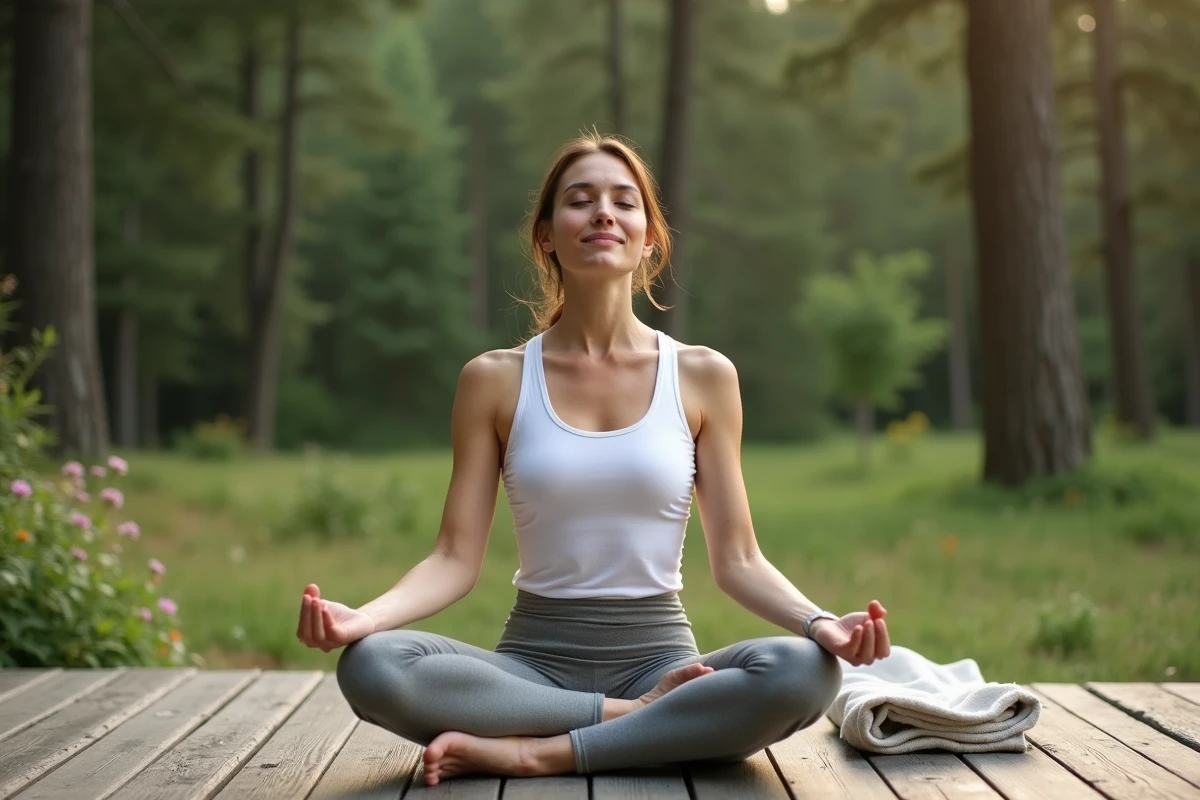
Therapeutic yoga has nothing to do with a group class focused on flexibility. The postures used in integrative health target specific muscle chains related to emotional tensions stored in the body.
Forward bends calm the nervous system, while extensions stimulate energy. Mixing the two without logic sends contradictory signals. A coherent protocol for stress healing prioritizes forward bends, gentle twists, and floor postures at the end of the session.
Meditation, on the other hand, benefits from being distinguished into two functional categories:
- Mindfulness meditation trains focused attention and reduces mental rumination. It is suitable for anxious profiles with a cognitive predominance, those who “think too much”.
- The body scan brings attention back to physical sensations and is better suited for individuals disconnected from their bodies, often after prolonged stress or trauma.
- Guided visualization practices act on motivation and positive projection but require a prior state of calm to be effective, hence the importance of prior autonomic regulation.
We observe that the majority of failures in meditation stem from a poor match between the type of practice and the practitioner’s profile. Prescribing mindfulness to someone in a state of bodily hyperactivation often exacerbates the situation.
Aromatherapy and biological treatments: beyond olfactory comfort
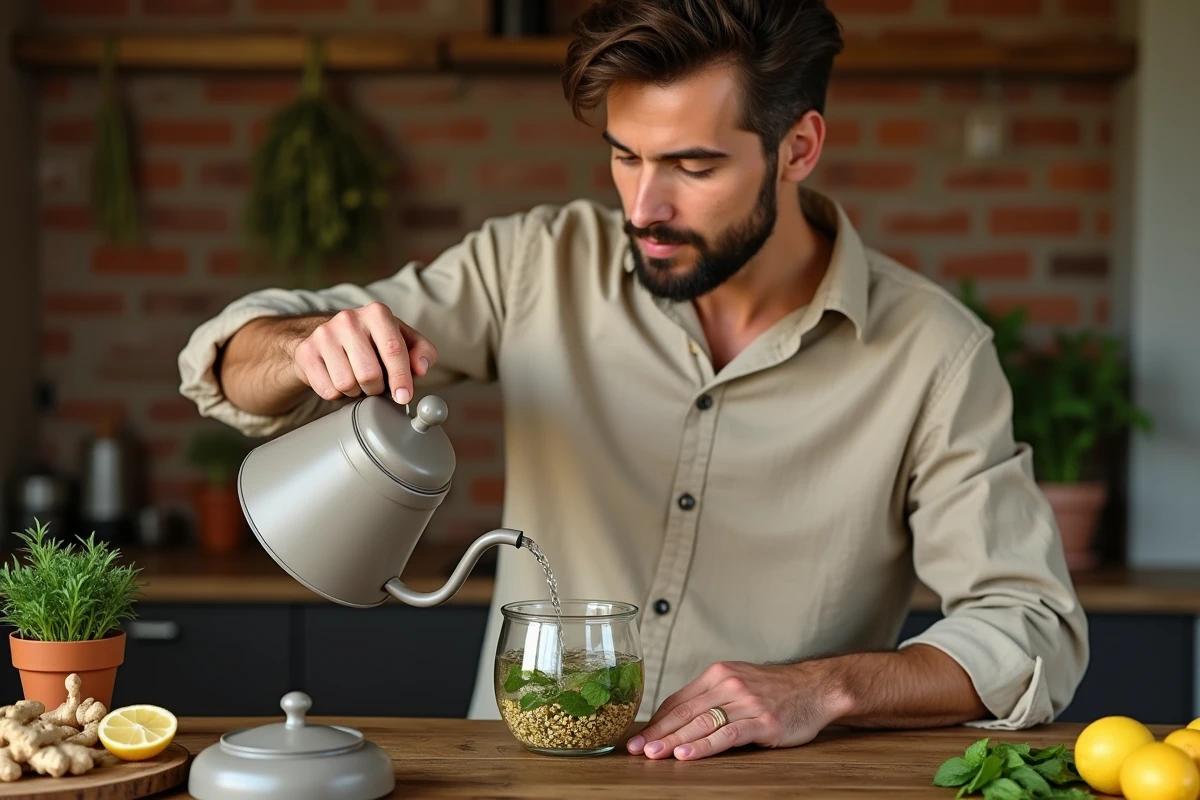
Clinical aromatherapy uses essential oils as active substances, not as ambient fragrances. The route of administration radically changes the effect obtained: atmospheric diffusion, diluted topical application, or ingestion under supervision do not produce the same results.
True lavender (Lavandula angustifolia) in diffusion reduces subjective stress markers. Radiated eucalyptus in chest application supports respiratory function. Ravintsara is regularly used for seasonal immune support. These uses fall under documented practices in complementary medicine.
A point that mainstream content often overlooks: interactions between essential oils and medications do exist. St. John’s Wort, often presented as a natural antidepressant, alters the hepatic metabolism of many medications. Any prolonged use of aromatherapy or phytotherapy should be mentioned to the treating physician.
Serious mind-body approaches are positioned as complements to evidence-based care, not as substitutes. This distinction separates integrative medicine from quackery.
Adapted physical activity: the most documented natural method
Physical exercise remains the best-supported natural approach to simultaneously improve mental and physical health. The benefits extend to anxiety, mood, sleep, and chronic pain.
The technical nuance lies in the dosage. Intense effort releases endorphins but increases cortisol. For someone in a state of chronic stress or adrenal fatigue, a program focused on brisk walking, gentle yoga, or swimming produces better results than interval training.
We recommend distinguishing three levels of intensity based on the practitioner’s state:
- Recovery phase (exhaustion, convalescence): nature walks, stretching, breathing. Objective: do not strain the stress axis.
- Stabilization phase (moderate stress, sleep disturbances): dynamic yoga, swimming, moderate-paced cycling. The balance between effort and recovery is key.
- Strengthening phase (stable state, prevention): resistance training, running, team sports. The body tolerates and benefits from a higher load.
Adapting the intensity to the actual energy level of the nervous system, rather than a performance goal, transforms exercise into a healing tool rather than a source of additional fatigue.
Integration into care pathways: the boundary not to be ignored
Complementary medicines gain credibility when they are integrated into a structured care pathway. The distinction between comfort-oriented practices (relaxation, well-being), psychological support practices (meditation, therapeutic yoga), and interventions requiring professional supervision (prolonged phytotherapy, fasting) must remain clear.
A practitioner in alternative medicine who advises against consulting a doctor or stopping ongoing treatment is a major warning sign. The integrative approach combines; it never substitutes.
Natural healing of the body and mind works when it respects a hierarchy: regulate the nervous system first, choose practices suited to the profile next, and maintain the connection with the medical pathway throughout the process. Skipping a step compromises the results, regardless of the chosen method.