The olive tree, a Mediterranean tree with evergreen foliage, is valued for its resilience and ability to thrive under scorching sun. Like all living beings, it can suffer from various ailments, including overwatering. This condition can lead to serious complications if not properly identified and treated. Excess water can indeed suffocate the tree’s roots, causing it to decline and, in extreme cases, die. To avoid such a scenario, it is crucial to recognize the symptoms of overwatering and know how to remedy it.
Overwatering in olive trees: how to detect it
The consequences of overwatering on the health of the olive tree can be devastating. While water is vital for all living organisms, an excess of water can disrupt the natural growth cycle of the olive tree and lead to serious diseases. The precise term ‘symptom of overwatered olive‘ describes a series of signs clearly indicating that an olive tree has received more water than it needed.
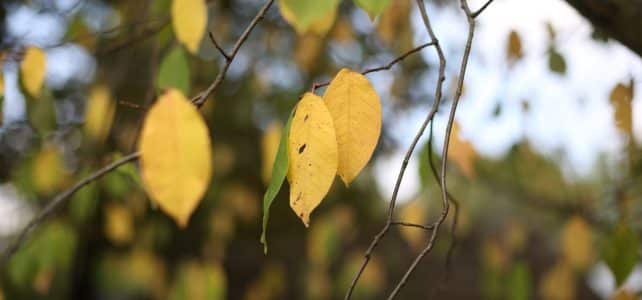
An easy-to-recognize initial sign is the abnormal yellowing of leaves, often accompanied by premature leaf drop. This is generally a direct result of root asphyxiation; when the roots are waterlogged, they cannot breathe properly and fail to provide enough oxygen to the other parts of the plant. As a result, the leaves lose their typical green color and turn yellow before eventually falling off.
The other manifestation of the ‘symptom of overwatered olive’ is found underground, at the level of the roots themselves, which become extremely susceptible to fungal infections such as those caused by Phytophthora • a formidable microscopic fungus responsible for root rot. If this infection is not treated quickly with an appropriate remedy, it can lead to the rapid death of your olive tree.
Furthermore, keep in mind that even if you cannot see the roots without digging into the soil or removing the entire plant, this remains a major indication of the ‘symptom of overwatered olive’. In cases of excessive water in the soil, it also creates a favorable environment for such destructive pathogens while also limiting normal functions such as: adequate nutrient absorption, effective photosynthesis, etc.
So if you observe these worrying symptoms in your venerable olive trees, you will need to rethink your irrigation methods so that it receives what it needs without overwhelming its root system. A moderate but regular supply will be preferable to a one-time abundance that could cause all the inconveniences summarized here under the term ‘symptom of overwatered olive’.
Overwatering: what impact on the health of the olive tree
When you suspect overwatering of your olive tree, you must take steps to confirm your doubts before starting any treatment. Here are some useful techniques to identify the symptoms of overwatering:
Assess the soil: The first step is to evaluate the condition of the soil around the plant. Soil that is too wet will generally be soggy, with a muddy appearance and a stagnant odor. If you notice these characteristics, it indicates an excess of water.
Check the moisture level of the soil: Use a tool such as a hygrometer to measure the moisture level of the soil at different depths around the roots of the olive tree. An excessively high level may indicate overwatering.
Observe the leaves: Yellowed or brownish leaves are often a telltale sign of overwatering in olive trees. They may also have a soft and limp texture to the touch.
Analyze normal growth: Compare the current growth of your olive tree with its usual development under optimal watering conditions and take note of subtle but significant differences that may indicate a water imbalance.
The roots: A visual examination will often reveal certain problems; for example, if they appear brown or black, this could indicate deterioration due to excessive moisture. Conversely, if they are bright white or light brown, this indicates normal root health.
Consider the weather: Also take into account recent weather conditions, such as heavy rains, which could have increased the soil moisture level and led to unintentional overwatering.
Once you have confirmed the symptoms of overwatering in your olive tree, it is crucial to take corrective measures quickly. Make sure to regulate watering and establish an appropriate schedule based on your tree’s specific needs. Ensure that the soil allows for good drainage so that water does not saturate the roots.
Being able to identify the symptoms of overwatering in an olive tree is essential to prevent any future damage to your beloved plant. By using these simple yet effective techniques, you can proactively address any excess water situation and ensure the optimal health of your olive tree.
Symptoms of overwatering in olive trees: how to recognize them
Once you have confirmed the alarming signs of overwatering in your olive tree, it is imperative to take immediate action to remedy the situation. Here are some key measures you can implement:
Reduce the frequency of watering: The first step is to adjust your watering schedule accordingly. Decrease the frequency of watering to allow the soil to dry out between each session.
Establish a regular schedule: Set up a strict and regular watering schedule to avoid any excess or lack of water in the soil. This will help to maintain adequate water balance.
Control the intensity of watering: Be careful not to flood the soil during each watering. Use a gentle and controlled method to avoid excessive saturation of the soil and allow for better absorption by the roots.
Remedying overwatering in olive trees: what solutions
In order to prevent any risk of overwatering in olive trees, consider adopting a proactive approach that is attentive to their specific water needs. Here are some additional measures you can implement:
Carefully observe the rainfall: Keep an eye on the weather forecasts and adjust your watering schedule based on expected precipitation. If heavy rains are forecasted, it may be wise to skip a session or reduce the intensity.
Monitor the condition of the soil: Regularly checking the condition of the soil around the olive trees can provide valuable indications of water needs. Use an appropriate tool to test moisture and ensure that the soil is dry before each new watering.
Make deep water applications: Instead of watering frequently with little water, prioritize deep and spaced-out watering. This will allow the roots to grow deeper, thus promoting better resistance to dry periods.
Choose your watering systems wisely: Opt for appropriate watering systems such as drip irrigation or micro-sprinklers that allow for targeted application of water directly at the root level. This reduces soil disturbance and avoids water waste.
Use mulch: Applying a layer of mulch around the root zone can help maintain soil moisture, thereby limiting excessive evaporation. Choose an organic material like pine bark or fallen leaves that will also enhance soil fertility over time.
By implementing these preventive measures, you will be able to effectively avoid overwatering in your olive trees and provide them with optimal conditions for healthy growth. Remember that each tree is unique; be attentive to the signals it sends you and adjust your watering practices accordingly.
Caring for your olive tree: key to good health
In this section, we will discuss the main signals that indicate overwatering in your olive tree, as well as treatment methods to remedy this issue.
It is important to know that the olive tree is a resilient plant adapted to dry conditions. An excess of water can therefore be detrimental to its development. One of the first visible signs is the appearance of yellowish or wilted leaves. This occurs when the root system is constantly saturated with water, leading to root asphyxiation.
Another symptom to watch for is the presence of black or brown spots on the leaves and branches of the olive tree. These spots are often caused by fungi that thrive in a humid environment. If you notice these spots, it is crucial to intervene quickly to prevent the spread of the fungus and the overall deterioration of the tree.