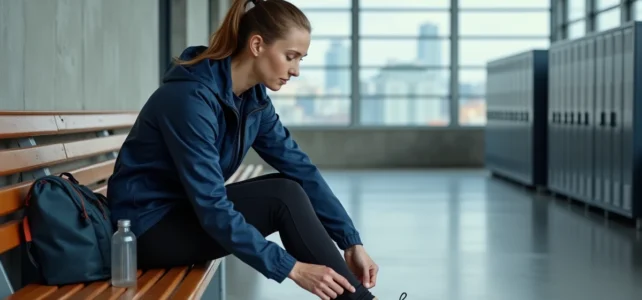
Resuming physical activity after an injury, a long break, or with morphological constraints does not follow the same guidelines as preparing for a half-marathon. The choice of equipment, the gradual increase in sessions, and medical oversight change radically depending on the practitioner’s profile. Here, we address the technical points that most performance-oriented guides overlook.
Suitable Sports Shoes: Selection Criteria for Atypical Profiles
The drop, cushioning, and width of the upper are the three parameters that determine whether a shoe is suitable for a beginner, a senior, or an overweight person. A high drop (greater than eight millimeters) reduces the strain on the Achilles tendon, which protects practitioners whose posterior chain lacks flexibility after a period of inactivity.
The width of the upper is the most overlooked criterion. Feet that bear a high body weight spread more at the point of contact. Choosing a standard width model causes lateral compression, blisters, and ultimately, metatarsal pain. Some ranges offer versions in 2E or 4E width: favoring a wide upper reduces the risk of early dropout.
For a return post-injury at the knee or ankle level, we recommend testing the shoe on a treadmill in-store for several minutes rather than relying on a static fitting. Dynamic stability cannot be measured while standing still. You can learn more about ABC Sports to cross-reference these criteria with detailed product sheets.
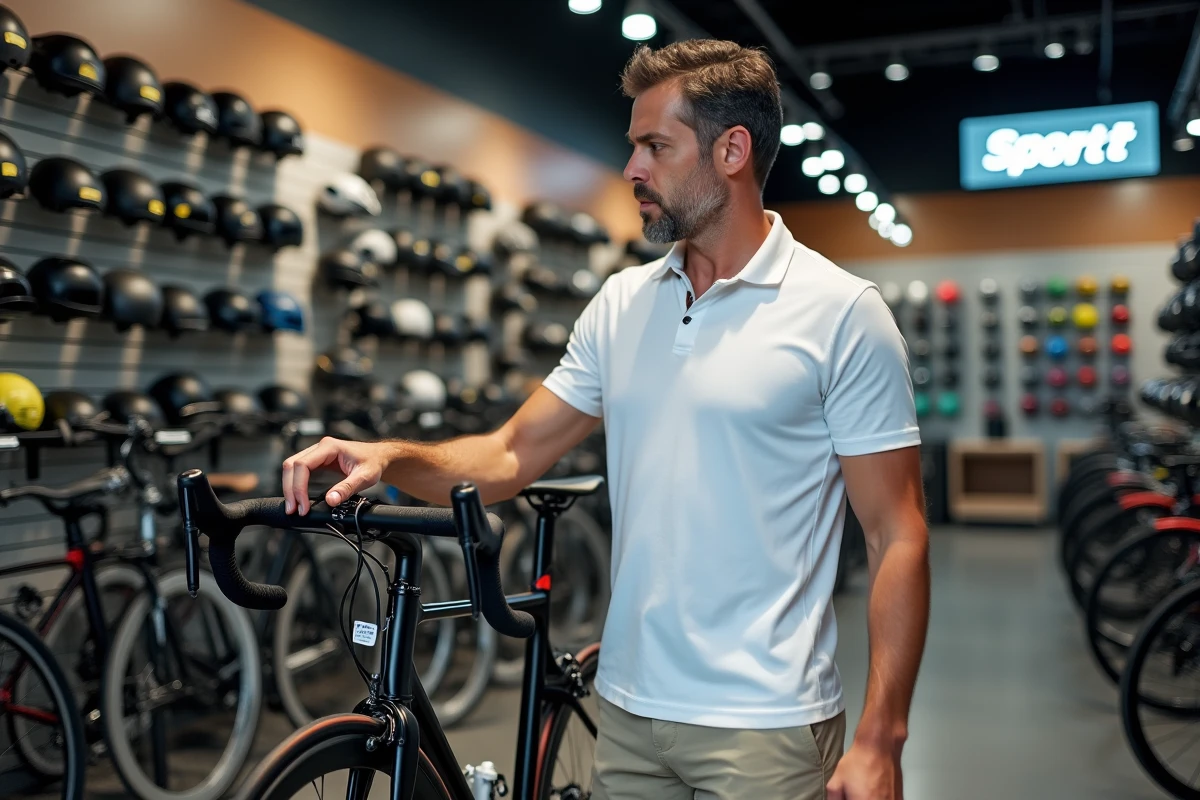
Adapted Physical Activity After Injury: The Most Common Resumption Mistakes
Resuming too quickly negates the benefits of rehabilitation. The classic pattern involves regaining the training volume from before the injury within a few weeks. Tendon tissue and cartilage do not keep pace: their remodeling takes several months, well after the pain has subsided.
The progression rule we apply is based on three stages:
- First two weeks: short sessions (twenty to thirty minutes), low intensity, no impact. Fast walking, elliptical biking, or swimming without leg kicks if the injury is in the lower limb.
- Weeks three to six: gradual introduction of impact (walking/running alternation, light jumps). Weekly volume increase limited to about ten percent per week.
- Beyond six weeks: return to specific sessions of the practiced sport, with proprioception work integrated into each warm-up to consolidate joint stability.
A sports doctor or physiotherapist can prescribe an adapted physical activity program as part of health prevention measures. This prescription opens access to sessions supervised by certified instructors, a point that commercial guides almost never address.
Senior and Overweight Sports Equipment: What Product Sheets Don’t Specify
Manufacturers communicate about the weight of their shoes or the breathability of their textiles. They rarely mention the load limit of the cushioning, which is the threshold beyond which the midsole no longer fulfills its absorption function. A practitioner of high body weight compresses the foam more quickly, reducing the effective lifespan of the shoe and degrading joint protection long before visible wear of the outsole.
On the textile side, sports clothing designed for larger body types is not just about enlarged sizes. Flat seams, the positioning of mesh inserts, and the cut of armholes determine the actual comfort during exertion. A technical t-shirt with side seams rubbing against the sides with every stride discourages more surely than a lack of motivation.
Walking Poles and Knee Braces: Two Underestimated Accessories
For seniors and overweight individuals, Nordic walking poles relieve the joints of the lower limbs by redistributing part of the load to the upper body. This transfer significantly reduces pressure on the knees, making active walking feasible even with moderate gonarthrosis.
Supportive knee braces, often mistakenly associated with convalescence, play a proprioceptive role: they send a sensory signal to the knee that improves perceived stability. We observe that practitioners who wear a knee brace during the first weeks of resumption gain confidence and more regularly increase their activity volume.
Durability and Second-Hand: A Concrete Lever for Equipping Without Over-Investing
Investing in high-end new equipment before knowing if the practice will be regular remains a barrier for many beginners. The market for second-hand and refurbished sports equipment has structured itself in recent years, with buy-back services offered by major retailers and specialized platforms.
Buying second-hand makes sense for stationary bikes, rowing machines, dumbbells, and weight benches, which have simple mechanics and slow wear. However, running shoes and orthopedic insoles are not suitable for reuse: the cushioning deforms according to the previous user’s foot, and the support loses its relevance.
A criterion to check on second-hand equipment: the availability of spare parts and repairability. An elliptical bike whose manufacturer no longer supplies the transmission belt becomes a burden at the first incident. Checking this point before purchase avoids unnecessary expense and further discouragement.
Choosing the right equipment and building a gradual resumption are not secondary topics to sports. For those distanced from practice, these are the prerequisites without which no regularity is possible. It’s better to have a suitable pair of shoes and three sessions a week than an unused gym membership by the second month.